Select Date Range

Aruba Insider Tips

12. Pharmacy - Botika - Drug Store

12. Pharmacy - Botika - Drug Store

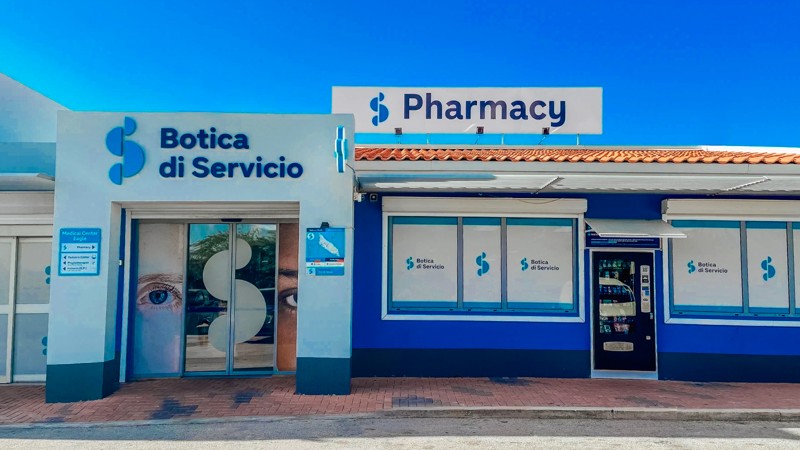
Pharmacies in Aruba are called "Botikas" in Papiamento, and they're easy to spot by their green cross signs. They're well-stocked with both prescription medications and over-the-counter products, and all locations have licensed pharmacists on staff who can answer your questions. Most pharmacies are open Monday through Saturday from 7:00 AM to 7:00 PM, with one pharmacy designated as "on duty" for evenings, Sundays, and holidays—you'll find which one by checking the notices posted on any pharmacy window. The largest pharmacy chain is Botica di Servicio, with five locations throughout the island including one at Cove Mall in Palm Beach (walking distance from the high-rise hotels) and one at Punta Brabo next to the hospital. Other reliable options include Botica Santa Anna in Noord and BENU Pharmacy locations. If you see a doctor during your stay, they can send your prescription directly to any Botika for convenient pickup. Many visitors are pleasantly surprised to find that prescription medications are considerably more affordable in Aruba than in the United States, and some medications that require prescriptions in the US are available over-the-counter here. Major Pharmacy Locations: Botica di Servicio Eagle (next to Hospital): Caya Punta Brabo 17, Oranjestad | +297 587 9011 Botica di Servicio Noord: Noord 41B | +297 586 0027 Botica Santa Anna Noord: Noord 82 | +297 586 4606 Botica di Servicio Bubali: Bubali 141-A, Noord | +297 583 4908 Botica di Servicio Cove Mall: Cove Mall, Palm Beach area BENU Pharmacy San Luca: San Nicolas area For pharmacy emergencies outside regular hours, call the hospital at +297 527 4000 to find out which pharmacy is currently on duty.

20: Taxi to Accommodations

20: Taxi to Accommodations

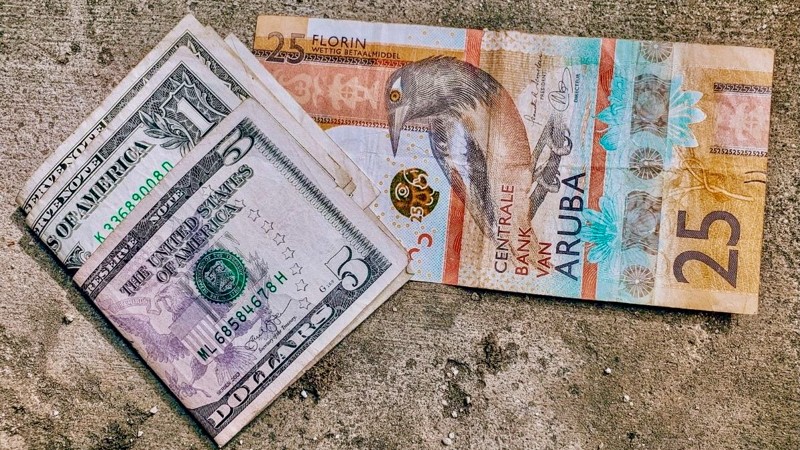
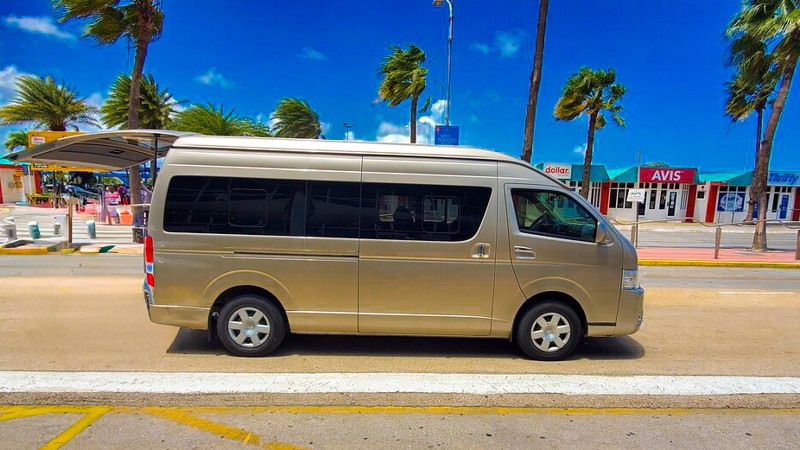
Taxis are lined up just outside the arrivals hall to the left, and they're one of the easiest and most reliable ways to get from the airport to your hotel. Some taxis have meters, but most don't—Aruba uses a fixed-fare system based on destination zones, which are set by the Department of Public Traffic. Always confirm the price with your driver before you get in, and don't be surprised if it's quoted in both US dollars and Aruban florins (the exchange rate is pegged at AWG 1.80 to $1.00 USD). You can also book taxis in advance, and some drivers will meet you right at the arrivals hall with a sign displaying your name—this is especially helpful if you're arriving late at night or traveling with a lot of luggage. Airport taxi rates are government-regulated, so you won't need to haggle. As examples: a ride to downtown Oranjestad costs about $21 USD during the day ($24 at night), to the low-rise hotels around Eagle Beach it's roughly $26-28 USD, and to the high-rise hotels in Palm Beach it's around $30-31 USD. These prices are per taxi (not per person) and can accommodate up to five passengers, with kids under age two not counted toward the passenger limit. There's a $3 USD surcharge on Sundays, official holidays, and between 11:00 PM and 7:00 AM. Also, each passenger gets one piece of luggage included, but additional bags cost $2 USD each. Taxis in Aruba are cash-only (US dollars or florins), so have small bills ready—drivers may not always have change for large notes. Tipping isn't required but rounding up or adding 10-15% for great service is always appreciated. If you need to call a taxi, here are some reliable companies: Aruba Taxi Company (+297 587-1300), Taxi Address Service available 24/7 (+297 587-5900), and Arubas Transfer Tour & Taxi (+297 582-2116).

21: Gas Stations

21: Gas Stations

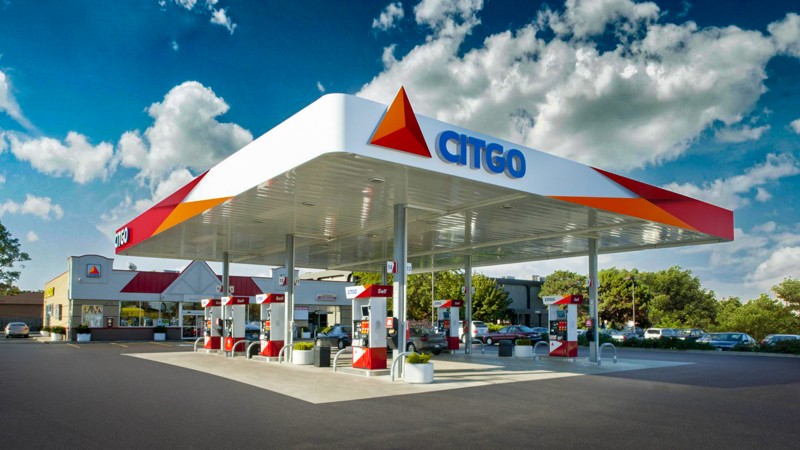
Gas stations are scattered around the island and are generally open from 6:00 AM to 10:00 PM daily, though a few stay open later. They all accept both US dollars and Aruban florins, and most also take major credit cards like Visa, MasterCard, and American Express. You'll typically need to pay first if you're at a self-service pump—just head inside to the cashier before you start fueling. Many stations also offer full-service, where an attendant will pump the gas for you (and honestly, it's nice to just sit back and let someone else do it in the heat!). The fuel pumps measure in liters (not gallons), so if you're more familiar with gallons, just remember that one gallon equals about 3.8 liters. There are two types of fuel available: regular unleaded gasoline (marked with red handles) and diesel (marked with green or black handles). Gas prices are set by the government and are the same at every station across the island, so there's no need to shop around. If you don't use as much fuel as you thought, just go back to the attendant with your pump number and they'll sort out a partial refund. You'll find gas stations conveniently located in Oranjestad, along the main tourist areas near Palm Beach, in San Nicolas, and along the major highways. Some well-known stations include Cura Cabai Gas Station (open 6 AM-11 PM daily), Paradera Gas Station, and several Texaco and Citgo locations around the island. Pro tip: gas stations can get busy during the middle of the day, especially during peak tourist season. If you want to avoid the lines, fill up early in the morning or later in the evening when traffic is lighter.

22: Driving Basics

22: Driving Basics

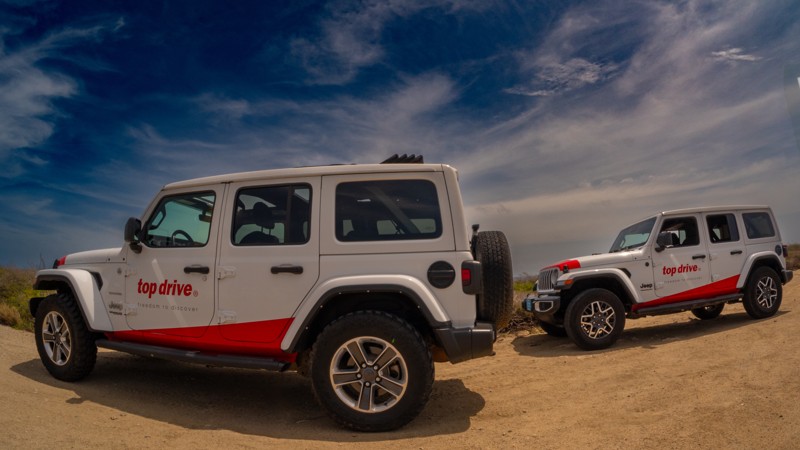
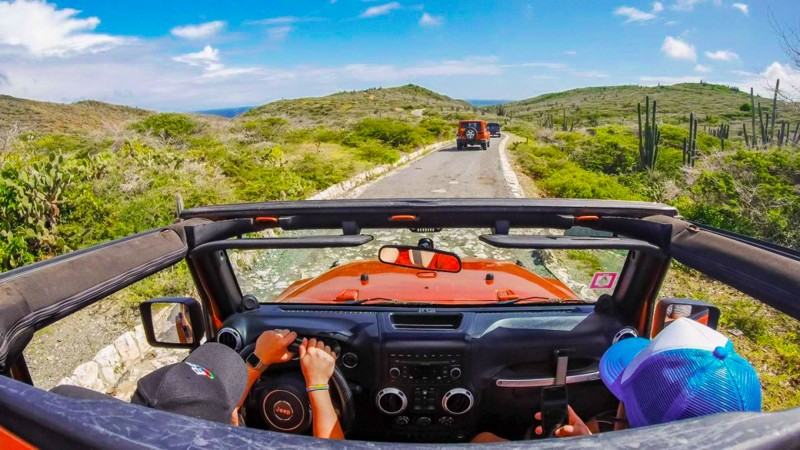
The best way to explore Aruba's hidden beaches and off-the-beaten-path spots is definitely by car. The good news? Driving here is pretty straightforward. Aruba drives on the right-hand side of the road (just like the US and Canada), and while the roads are mostly paved and well-maintained, you'll encounter some bumpy stretches—especially if you venture out to more remote beaches or into Arikok National Park. A few of the really remote areas have dirt roads, so if adventure is on your agenda, consider renting a 4x4 or SUV. Speed limits are posted in kilometers per hour, not miles, so make sure you're reading the signs correctly. In urban and residential areas, the speed limit is typically 30-40 km/h (about 18-25 mph). Out of town on main roads, it's usually 60 km/h (around 37 mph), and on the faster highways like L.G. Smith Boulevard, you can drive up to 80 km/h (about 50 mph). There are plenty of speed limit signs, especially in school zones and populated areas, so keep your eyes peeled. Aruba also has a lot of roundabouts—they might take a minute to get used to if you're not familiar with them, but just remember: traffic already in the roundabout has the right of way, and you need to yield before entering. At intersections without traffic lights or signs, vehicles approaching from the right have the right of way. When making a left turn, you must yield to oncoming traffic. One unique thing about Aruba's gas stations—most are not self-service. An attendant will pump your gas for you, which is actually pretty nice! If you do encounter a self-service pump, you'll need to pay inside first before pumping. Also, watch out for goats and donkeys, which sometimes wander onto the roads, especially near Arikok National Park. Drive carefully on wet roads—the occasional rainfall can mix with road oil and create surprisingly slippery conditions.

23: Road Signs and Maps

23: Road Signs and Maps

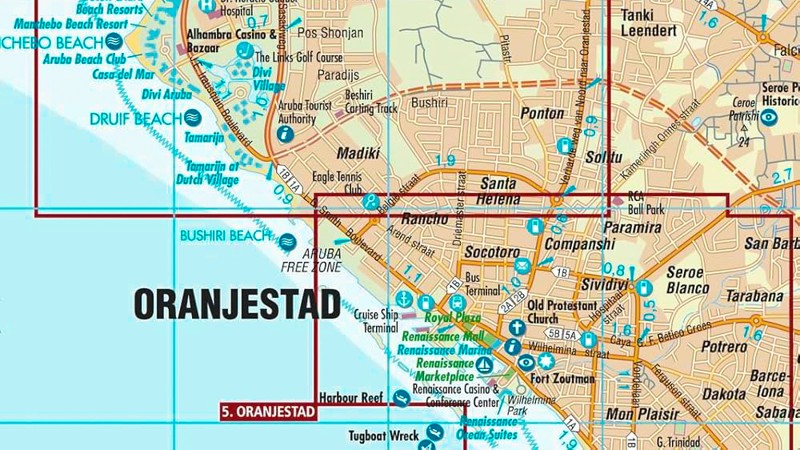
Road and street signs in Aruba can be a bit tricky, especially once you venture off the main tourist areas. Many signs are in Dutch or Papiamento, and smaller streets often don't have clear signage at all, so locals tend to give directions using landmarks rather than street names. We highly recommend using Google Maps, which works very well on the island and will get you where you need to go—just make sure you have a data plan or download offline maps before you leave WiFi. Maps.me is another excellent offline mapping app that many travelers swear by for Aruba. If you have data roaming or a local SIM card, Google Maps and Waze both work great in real-time. You can also download Aruba's map offline in Google Maps (just search "Aruba," tap the three dots in the top right corner, and select "download offline map"). That way, even if you're in a remote area with no cell signal, you'll still have turn-by-turn directions. Just a heads-up: Google Maps can occasionally send you down a one-way street the wrong way—this usually only happens on small local roads where a street's direction has recently changed—so pay attention to the actual road signs and markings on the pavement too. Roundabouts in Aruba are clearly marked with painted lane guides and directional arrows on the road, so even though they might seem intimidating at first, they're actually quite easy to navigate once you understand the system. Exit 1 is on your right, exit 2 is straight ahead, exit 3 is on your far left, and exit 4 takes you back in the opposite direction. Most roundabouts have raised lane dividers inside (like little speed bumps) that help keep you in the correct lane and discourage lane changes mid-circle. If you happen to miss your exit, don't panic—just go around one more time! Many of Oranjestad's downtown streets are one-way, so it pays to keep an eye on the directional signs and arrows painted on the road.

28. Public Transit - Getting Around by Bus

28. Public Transit - Getting Around by Bus

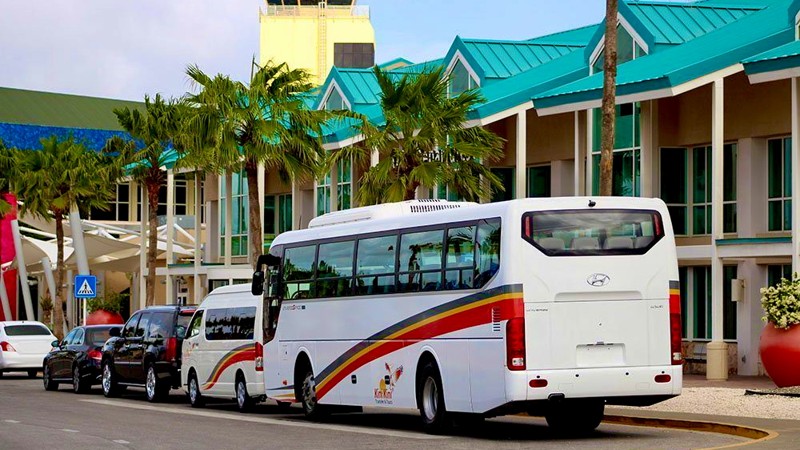
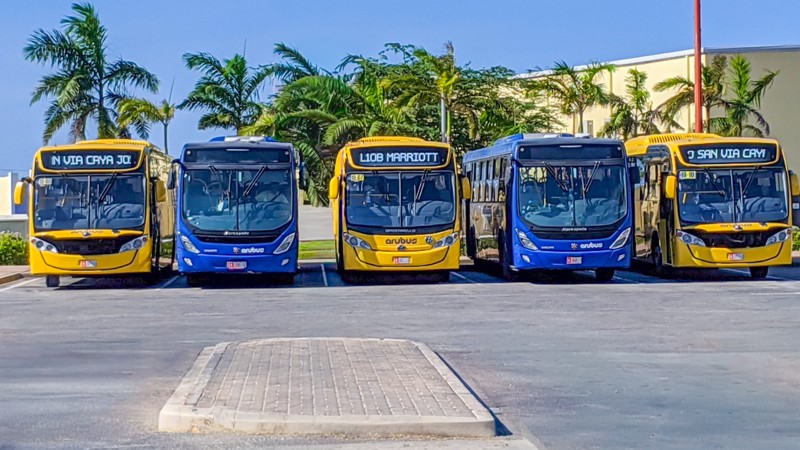
Arubus is Aruba's government-owned public bus system, and it's a convenient and affordable way to get around if you're not renting a car. The bus network covers most of the island, including all the major hotel areas, downtown Oranjestad, popular beaches, and even some residential neighborhoods. Buses are air-conditioned, clean, and safe, and the drivers are generally friendly and helpful if you have questions about your route or stop. There are visible signs on the side of each bus showing which hotels and destinations that particular route serves, so you'll know if it's the right one for you. Buses run frequently along the main hotel strip, with service every 15 minutes from 5:45 AM until 6:00 PM. After 6:00 PM, buses continue running but on a reduced schedule—every 40 minutes until around 11:30 PM. The central bus station (or main bus terminal) is located in downtown Oranjestad, right next to the cruise terminal and Royal Plaza Mall. From there, buses fan out to destinations all over the island. You can check the full schedule, route maps, and real-time bus tracking on the official Arubus website at [arubus.com](https://arubus.com). Fares are very budget-friendly: $2.60 USD (AWG 4.50) for a one-way trip, $5.00 USD (AWG 8.75) for a round-trip ticket, or $10.00 USD (AWG 17.50) for an unlimited day pass. If you plan to use the bus often, you can also get a SMARTCARD for AWG 15.00 (about $8.33 USD), which offers discounted fares of AWG 3.50 ($2.00 USD) per ride. You can purchase SMARTCARDS at various locations around the island, including hotel gift shops, supermarkets, and the Arubus stations. Just pay the driver directly when you board using cash (US dollars or florins work fine). Keep in mind that Arubus does not operate 24/7, so if you're planning a late-night outing, you'll need to arrange a taxi or rideshare for the ride home.

29. Vehicle Accidents

29. Vehicle Accidents

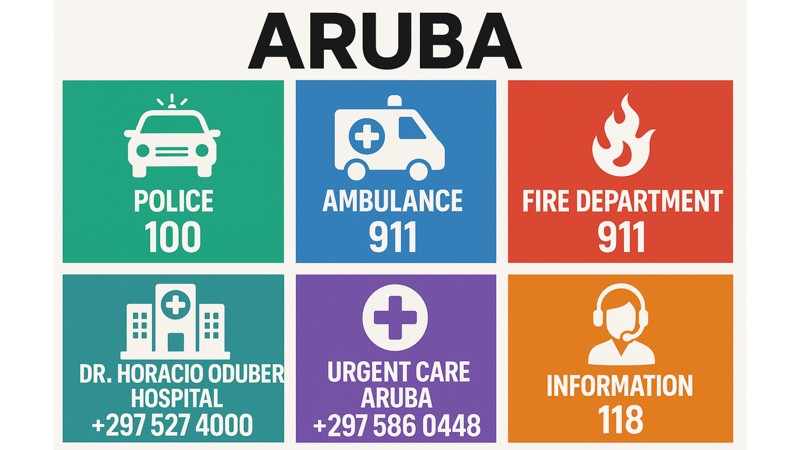
If you're involved in a vehicle accident in Aruba—even a minor one—there's a very specific procedure you must follow, and it's critical to follow it exactly to avoid invalidating your rental insurance. First and most important: do NOT move your vehicle from the accident scene, no matter how small the damage seems. Moving the car before authorities arrive can void your insurance coverage and leave you personally responsible for all repair costs, which can be extremely expensive. The moment an accident happens, call 165 to reach ForenSys Aruba, the official accident registry service. ForenSys is a neutral, specialized company that's contracted by Aruban insurance providers to document accidents. They'll dispatch a unit to the scene to take photos, measurements, and statements from all parties involved. This is not the police—it's a separate service, and their report is what your insurance company will use to process your claim. ForenSys operates 24/7 and typically arrives within 20-30 minutes. While you wait, exchange names, phone numbers, addresses, and insurance information with the other driver, and take your own photos of the scene, vehicle positions, damage, and license plates. Do NOT admit fault or apologize, even if you think it might have been your mistake. If there are injuries, you should also call 911 for police and emergency medical assistance. The police (Korps Politie Aruba) will arrive separately and create their own report if there are injuries or if a law was violated (like driving under the influence or without insurance). If there are no injuries and the accident is straightforward, ForenSys alone may be sufficient. Once ForenSys finishes their report, make sure you get a copy of it—you'll need this to file a claim with your rental car company and your credit card or travel insurance. Then contact your rental car company right away to inform them of the accident and follow their instructions for next steps. Most rental agreements include Collision Damage Waiver (CDW) or Loss Damage Waiver (LDW), which covers you for most damages as long as you followed the correct procedures—but you'll still be responsible for a deductible (often $500-$2,000 depending on the company and vehicle type). Following these steps carefully will ensure you're protected and can get back to enjoying your vacation without any major financial headaches.